Whoa! I clicked into a new wallet extension and paused. It felt familiar, but also kind of sharp at the edges. My first impression was: neat polish, weird permissions. Initially I thought it was just another design refresh, but then clicking around revealed subtle differences in how it handled approvals and gas estimation that actually matter. My gut said pay attention here.
Okay, so check this out—this isn’t fanboy hype. I use lots of wallets for work, and some of them are clunky while others are dangerously overconfident. Hmm… the little things add up. The transaction preview. The way approvals are grouped. The clarity of the nonce and gas controls. Those features change how safe you feel when you sign things, and that feeling is not trivial.
Here’s the thing. When a wallet shows you every approval in plain English, you relax. When it buries approvals behind vague toggles, you don’t. On one hand many wallets try to make things simpler for new users. On the other hand oversimplification can hide risk—though actually, wait—let me rephrase that: simplifying UI without exposing safety trade-offs is the real sin. I’m not claiming perfection. I’m saying the design choices nudged me, and sometimes nudges are decisive.
At first glance Rabby looked like a clean, modern extension. Very very streamlined. But on closer inspection there were small safeguards that felt earned, not tacked on. For example, it groups token approvals and rates them by risk, which is something I wished more wallets did. Something felt off about the way other popular wallets lump everything into a single “Approve” flow—somethin’ about that makes me want to read every line twice. My instinct said skip the quick-approve button until you know what you’re authorizing.
There’s a learning curve, naturally. Whoa! You will click the wrong button once or twice. I’m biased, but I like the approach that asks for confirmation in multiple places, because it prevents dumb mistakes. Practically speaking, if you interact with DeFi frequently you’ll appreciate features that save you from a single catastrophic signature mistake. And yes, some of those features add clicks—but those clicks are worth their weight in ETH sometimes.
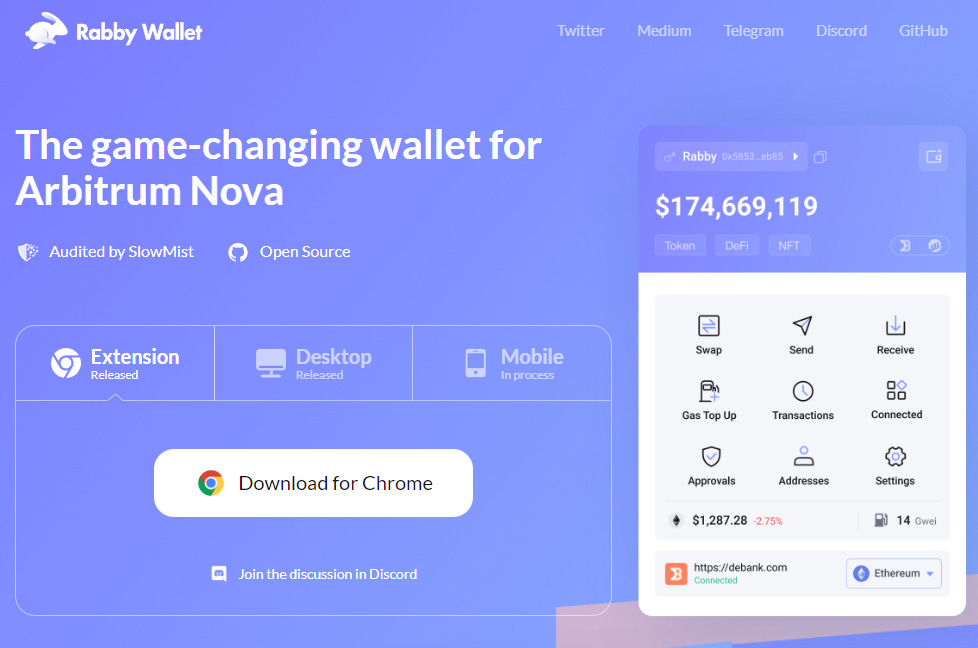
What stood out to me about Rabby
The balance of power and clarity is rare. Rabby shows contract interactions before you sign. It offers gas and nonce controls without pretending it’s for power users only. On top of that, it surfaces whether a dApp is asking for broad token approval or a single-use allowance—small thing, big impact. For a straightforward download and to see it for yourself try rabby wallet and poke around the permissions flow. Seriously, try it with a testnet first.
Let me walk you through a scenario I had last month. I was about to farm on a new AMM and hit the standard approve flow. Then Rabby flagged the approval scope and showed an estimated “max spend” line. I almost approved blindly—then I noticed the scope. That pause made me revoke the approval, and later that alert saved me from a rug token that later started spamming approvals. Sounds dramatic, I know, but it’s a real example. The extension didn’t heroically stop the attack; it just made the risky approval obvious enough that I reconsidered.
On security mechanics: it isolates storage and locks accounts quickly after inactivity. The UI encourages separate accounts for different strategies—one for NFTs, one for high-risk farming, one for cold storage. That recommendation matches how I actually manage funds offline, though I’m not 100% perfect at following my own advice. (oh, and by the way…) keeping separate accounts reduces blast radius when something goes wrong, and you sleep better.
Performance is thoughtful too. Transactions are previewed with a bit more metadata than usual. Long story short, the extension trades some minimal UI simplicity for transparency, and I like that trade. My head keeps circling back to gas estimation—seeing realistic ranges instead of optimistic best-case numbers helps you decide when to send and when to wait. Also, the UX nudges you to set sensible gas limits, which prevents a lot of failed tx noise.
Now, let’s be honest—no extension is a silver bullet. Wallet extensions run in browsers, which are not as isolated as hardware devices. So while the UX and permissioning are strong, you still need habits. Use hardware wallets where appropriate. Use separate browser profiles for high-value keys. Don’t store mnemonic phrases in plain text on your desktop. Initially I thought a “better” extension would replace those habits, but then realized better tools complement them instead.
Community and upkeep matter too. The devs behind the extension are responsive and push updates regularly. That matters when new attack vectors crop up. On one update they fixed a third-party library issue within days, which is the kind of responsiveness that changes risk calculations. Communities often share custom scripts and tip-offs too, and that social channel gives you early warning about sketchy dApps. I’m not saying you’re invulnerable, but active maintenance reduces exposure.
One small pet peeve: the onboarding tips can be long-winded. They sometimes assume you read every tooltip, which most people don’t. That part bugs me. Still, the toolset is clear once you spend an hour with it, and the settings are logically grouped. If you’ve used extensions for years you’ll find your groove fast. New users will need one session with a friend or tutorial to get comfortable—I’m biased, but I prefer that to a “click here” onboarding that hides risk.
From a usability standpoint the network and account switching is quick. The experience is not sluggish like some older extensions. That matters when you’re bridging or interacting with time-sensitive trades. There were a couple of rough edges with some testnet tokens, and I reported those, but the overall feel is solid. Oh, and the analytics view (account history and token changes) is simple enough to audit before you sign more swaps.
Here’s what I’d change if I could wave a wand. I’d like clearer integration hints for hardware wallets and a friendlier recovery path with more guardrails for new users. There’s also room for deeper heuristics around contract risk scoring. Those are achievable improvements that would lift the product further, though the core is already quite practical. I’m imagining small, iterative updates rather than big rewrites.
FAQ
Is Rabby safe for everyday DeFi?
Short answer: it’s a strong option for everyday use if you combine it with good habits. You still need to avoid phishing links, verify contract addresses, and consider hardware wallets for large balances. The extension reduces some common UX pitfalls but doesn’t eliminate the need for caution.
Can I use Rabby with hardware wallets?
Yes, integration exists and improves security for high-value transactions. Use the extension as an interface while the hardware device holds your keys. That combination is solid—familiar, practical, and widely recommended by pros.